
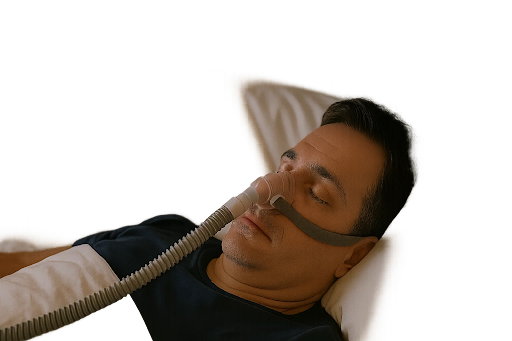
If you snore loudly or find your sleep constantly interrupted, you might be tempted to brush it off — but new research shows ignoring sleep apnea could harm your brain in the long run.
A new study published in JAMA Network Open found that moderate to severe obstructive sleep apnea (OSA) is associated with a higher likelihood of developing cerebral microbleeds — small areas of bleeding in the brain linked to cognitive decline and dementia.
“Cerebral microbleeds are a common finding in the aging brain,” said Dr. Jonathan Graff-Radford, professor of neurology at the Mayo Clinic. “Anything that increases microbleeds is relevant to brain aging.”
>>>Bright Night Lights May Increase Stroke and Heart Failure Risk<<<
How Sleep Apnea Affects the Brain
Obstructive sleep apnea occurs when soft tissues in the throat collapse during sleep, briefly cutting off airflow. These repeated oxygen drops can cause stress on blood vessels, inflammation, and small-vessel damage — the same processes that may contribute to Alzheimer’s disease and vascular dementia.
“Don’t ignore it. Do something about it,” said Dr. Rudy Tanzi, a neurologist at Harvard Medical School. “It’s not just the immediate risk for bleeds, but also for Alzheimer’s disease later on.”
Tanzi notes that untreated sleep apnea delivers a “double whammy”: poor-quality sleep itself is tied to faster brain aging, and microbleeds add another layer of long-term risk.
>>>Check out 7 Crucial Health Screenings Everyone Should Prioritize<<<
Treatment Options and Why Screening Matters
Experts emphasize early diagnosis and treatment. Options include CPAP machines, oral appliances that keep the throat open, and in some cases, surgical interventions.
“This study underscores the need for clinicians to screen for sleep apnea and for patients to take treatment seriously,” Tanzi said.
Despite its potential dangers, many people go undiagnosed. Sleep specialists recommend seeking evaluation if you experience:
- Loud, chronic snoring
- Pauses in breathing or gasping during sleep
- Daytime fatigue or trouble concentrating
- Night sweats, teeth grinding, or morning headaches
>>>Prenatal COVID-19 Infection Linked to Higher Autism Risk in Children<<<
Why It Matters
Obstructive sleep apnea affects more than 25 million adults in the U.S., yet only a fraction receive treatment. Left unmanaged, it can lead not only to cardiovascular strain but also to subtle brain damage over time.
“The damage that can come from sleep apnea can definitely be more severe than you think,” Tanzi warned.
While the study cannot prove causation, researchers plan to investigate whether treating sleep apnea can prevent or reverse microbleeds — a question that could reshape how sleep health is linked to neurological aging.