
No one’s thrilled about booking a doctor’s appointment just to get poked, prodded, or tested — especially when everything feels fine.
But here’s the truth: that’s exactly when health screenings matter most.
“Screenings are designed to detect health issues early, often before symptoms appear,” says Dr. Michael O’Neill, a primary care provider with Hartford HealthCare Medical Group. “They give us a chance to act before things become serious.”
So, which screenings should always make your to-do list? Here are seven you should never skip — even if you feel perfectly healthy.
>>>Check out Noncommunicable diseases<<<
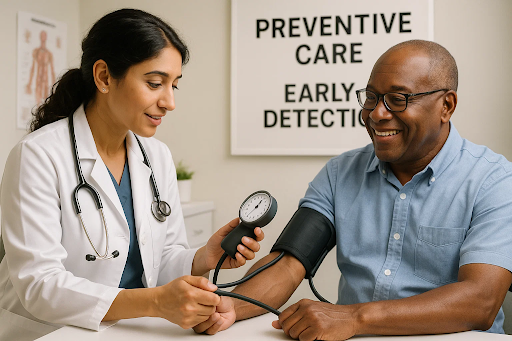
Blood Pressure
Checking your blood pressure is quick, painless, and often free at your local pharmacy — yet it’s one of the most important health checks.
“High blood pressure is called the silent killer for a reason,” Dr. O’Neill notes. “It often has no symptoms, but it raises your risk for heart attack and stroke.”
Even when you feel fine, regular monitoring can catch changes early, giving you time to adjust your lifestyle — by reducing salt, managing stress, and staying active — before serious complications develop.
>>>See also Short Bursts of Daily Exercise May Boost Heart and Lung Health.<<<
Cholesterol
You can’t feel high cholesterol, but your arteries can.
“A simple blood test can reveal if your cholesterol is high,” says Dr. O’Neill. “If it is, we can lower it with diet, lifestyle changes, or medication — before it leads to heart disease.”
Think of this screening as preventive maintenance for your heart. Regular checks, heart-healthy meals, and daily exercise can make all the difference.
>>>Read more Salmon and Cholesterol: What Science Says About Its Heart-Healthy Benefits<<<
Colon Cancer
No one looks forward to a colonoscopy, but colon cancer is one of the most preventable cancers when detected early.
“Screening should begin at age 45 — or earlier if you have a family history,” Dr. O’Neill explains. “It can absolutely save your life.”
If you’re hesitant, ask about alternatives such as stool-based or at-home tests. The key is not to skip screening altogether.
Diabetes
Type 2 diabetes often develops quietly — with no warning signs.
“A simple blood test can detect diabetes or prediabetes early,” says Dr. O’Neill. “That’s when lifestyle changes can still make a big difference.”
Balanced meals, regular exercise, and maintaining a healthy weight can stabilize blood sugar and even reverse early stages of the disease. Regular testing is especially important if you have risk factors such as high blood pressure, excess weight, or a family history.
>>>Check out “Smoking, Vaping, and Nicotine Pouches May Raise Type 2 Diabetes Risk<<<
Mammograms
For women, mammograms remain one of the best ways to catch breast cancer early — when treatment is most effective.
“For most women, screenings start at 40 and continue every one to two years,” says Dr. O’Neill. “It’s quick, and it works.”
Unsure when to begin? Discuss your personal risk with your healthcare provider.
Cervical Cancer
Pap smears and HPV tests don’t just detect cervical cancer — they prevent it by identifying cell changes before they become dangerous.
“These tests have dramatically reduced cervical cancer rates,” Dr. O’Neill emphasizes.
Women typically need screening every three to five years, depending on age and results. If you’re unsure of your last test date, it’s time to schedule one.
Skin Checks
New or changing moles can signal skin cancer, which is one of the most common — yet treatable — cancers when caught early.
“Skin cancer rates are rising, especially among younger adults,” says Dr. O’Neill. “Regular checks make all the difference.”
Do a monthly self-check using the ABCDE rule — look for moles that are Asymmetrical, have irregular Borders, uneven Color, a large Diameter, or are Evolving. Schedule a professional skin exam at least once a year.
The Bottom Line
No one gets excited about screenings — but they may be the most important appointments you ever make.
“Screenings aren’t just about finding problems,” says Dr. O’Neill. “They’re about preventing them. It’s one of the smartest investments you can make in your health.”
So go ahead — book that appointment. Your body and peace of mind will thank you.