
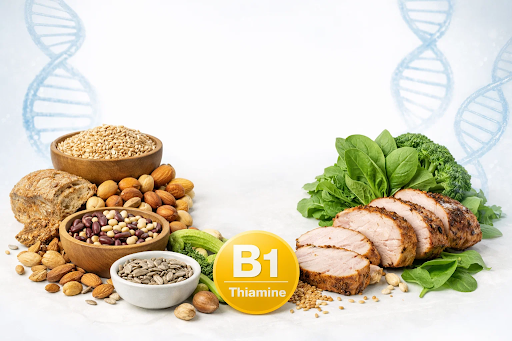
Genetic research reveals unexpected link between thiamine metabolism and digestive function
A nutrient present in numerous common foods might affect how frequently people experience bowel movements, according to substantial new research findings.
Scientists discovered evidence connecting vitamin B1, alternatively called thiamine, to gut motility—the mechanism propelling food through the digestive tract.
An international research team headed by Mauro D’Amato, medical genetics professor at LUM University and research professor at CIC bioGUNE, examined genetic and health information from over 268,000 individuals of European and East Asian descent.
Study participants documented their bathroom visit frequency, which investigators utilized as a practical gut motility indicator.
>>>Check out Unlocking Brain Health: The Role of the MIND Diet<<<
Genetic Markers Point to Thiamine
“We used genetics to build a roadmap of biological pathways that set the gut’s pace. What stood out was how strongly the data pointed to vitamin B1 metabolism, alongside established mechanisms,” explained lead author Dr. Cristian Diaz-Muñoz, a postdoctoral researcher in the Gastrointestinal Genetics Lab at CIC bioGUNE, situated in Spain’s Bizkaia Science and Technology Park.
Through scanning millions of genetic markers, researchers identified 21 genetic regions connected to bowel movement frequency, including several never previously associated with digestive function.
Numerous signals indicated pathways already recognized as important for digestion, such as bile acid metabolism and nerve signaling controlling rhythmic intestinal muscle contractions.
>>>Read Salmon and Cholesterol: What Science Says About Its Heart-Healthy Benefits<<<
The Unexpected Thiamine Connection
The most surprising discovery involved genes associated with thiamine metabolism. Two specific genes facilitating vitamin B1 transport and regulation throughout the body demonstrated strong correlations with stool frequency.
Investigating whether this translated into practical behavior, researchers analyzed dietary information from nearly 100,000 UK Biobank participants.
Results showed that individuals consuming elevated vitamin B1 amounts typically experienced more frequent bowel movements.
However, this pattern didn’t appear universally. The relationship varied based on individual genetic composition, indicating genes influence how bodies process the vitamin.
Vitamin B1 serves central functions in energy metabolism and nerve operation, including nerves and muscles coordinating gut movement, according to the National Institutes of Health.
>>>Vitamin D3 Shown to Protect Against Repeat Heart Attacks<<<
Study Constraints
The research, published in the scientific journal Gut, acknowledged several limitations.
Bowel frequency represents an indirect gut motility measure and doesn’t capture stool consistency, discomfort, or other symptoms relevant to digestive disorders, researchers recognized.
The investigation also depended on self-reported dietary information, which can lack precision.
Genetic associations don’t establish cause and effect, researchers noted.
Findings don’t conclusively demonstrate that consuming vitamin B1 supplements will modify bowel habits, nor do they establish the biological mechanism through which thiamine might influence digestion.
>>>The Truth Behind High-Protein Diets: Benefits and Hidden Risks<<<
Practical Implications
While the research reveals intriguing connections between thiamine metabolism and digestive function, translating these findings into clinical recommendations requires additional investigation.
The interaction between genetics, diet, and digestive processes appears more complex than previously understood, with individual genetic variations playing significant roles in how nutrients affect bodily functions.
For now, the study contributes to growing understanding of how specific vitamins may influence digestive health beyond their traditional recognized roles.
Individuals experiencing digestive concerns should consult healthcare providers for personalized guidance rather than self-treating with supplements based on preliminary research findings.
This research represents an important step in understanding digestive function’s genetic and nutritional foundations, though much work remains before these insights translate into practical therapeutic applications.
News Desk news.uloscah.com