
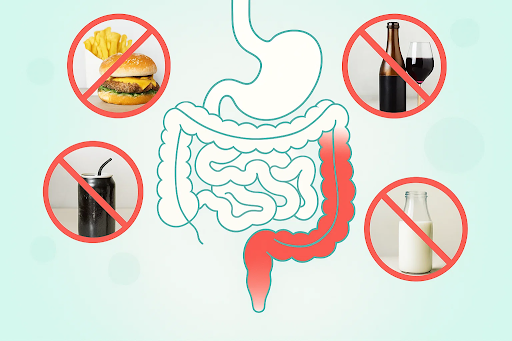
Colorectal cancer, the most common type of gastrointestinal cancer, is rising sharply among young adults worldwide. According to a recent Centers for Disease Control and Prevention (CDC) analysis, colorectal cancer cases have surged by 185% among adults aged 20 to 24 and a staggering 333% among teenagers aged 15 to 19.
Dr. Karen Zaghiyan, a leading board-certified colorectal surgeon in Los Angeles, recently addressed this alarming trend in a viral Instagram video. “We’re seeing an alarming rise in young-onset colorectal cancer,” she said, urging people to pay closer attention to their diet and lifestyle habits. The surgeon also outlined five common foods and drinks that could increase colorectal cancer risk.
>>>Check out 7 Crucial Health Screenings Everyone Should Prioritize<<<
Red Meat
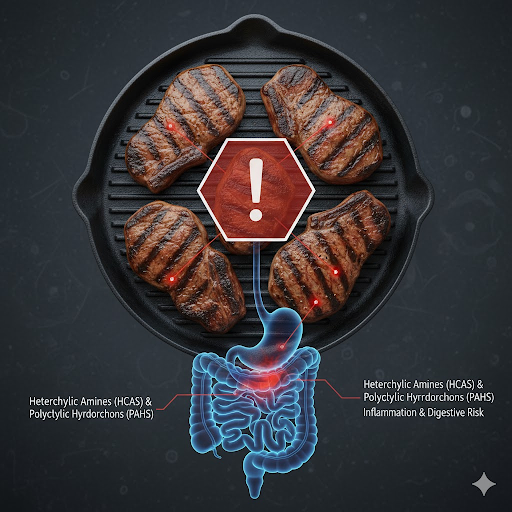
Red meats — including beef, lamb, pork, and veal — have long been associated with colorectal cancer.“There’s about an 18% increased risk of colorectal cancer in people who regularly consume red meat,” Dr. Zaghiyan explained. Cooking meat over an open flame, such as grilling or barbecuing, may further increase the risk due to carcinogenic compounds formed during charring.
>>>Check out Experts Say Lung Cancer Risks Extend Beyond Smokers<<<
Processed Meat
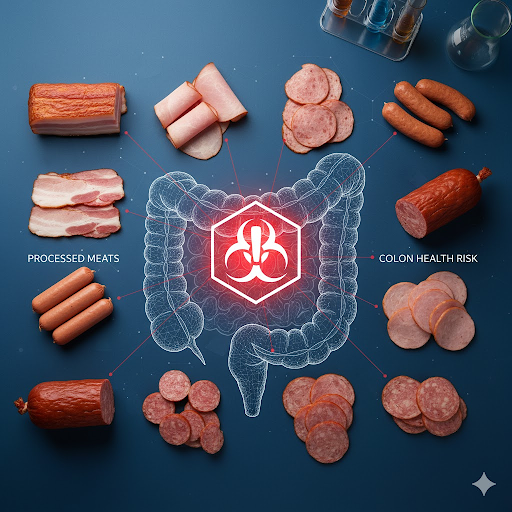
Processed meats like bacon, sausages, ham, hot dogs, and salami also raise cancer risk. “Even one serving a day can increase your risk by 15–35%,” Dr. Zaghiyan noted. These meats contain preservatives and additives such as nitrates and nitrites, which are known to damage cells in the colon lining.
Sugary Drinks
Sweetened beverages are not just bad for your waistline—they may also harm your gut. “People who consume two or more servings of sugary drinks a day have double the risk of developing colorectal cancer compared to those who drink them less than once a week,” said the surgeon. This includes soft drinks, store-bought juices, and energy drinks, all of which are often loaded with high-fructose corn syrup and artificial sweeteners.
>>>See also What Nutritionists Recommend Eating to Combat Chronic Constipation<<<
Alcohol
When it comes to alcohol, moderation is key—or better yet, abstinence.“There’s no safe limit for alcohol,” Dr. Zaghiyan emphasized. Whether beer, wine, or spirits, all alcoholic beverages have been shown to increase the risk of colorectal cancer and other malignancies, particularly among daily drinkers.
Ultra-Processed Foods
Convenience foods such as chips, instant noodles, packaged baked goods, and sweetened cereals fall under the category of ultra-processed foods—a growing dietary concern. “These products often contain emulsifiers, food dyes, and artificial additives that can disrupt gut microbiota and promote inflammation,” she said. Reducing processed food intake and prioritizing whole foods, fruits, vegetables, and whole grains can help protect gut health.
Expert Advice for Prevention
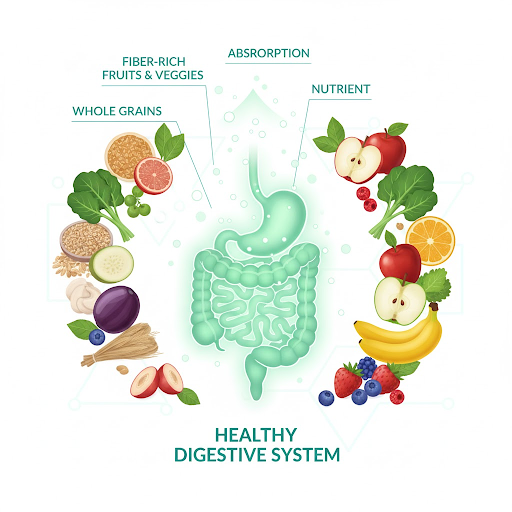
Both diet and lifestyle play crucial roles in preventing colorectal cancer. Dr. Zaghiyan recommends:
- Quitting smoking and limiting alcohol.
- Exercising regularly to boost metabolism.
- Eating a fiber-rich, plant-based diet.
- Getting regular screenings such as low-dose CT scans or colonoscopies, especially for those with a family history.
“Early detection saves lives,” she emphasized. “When caught early, colorectal cancer is highly treatable.”
Conclusion
As colorectal cancer rates climb among younger populations, the message from experts is clear: what you eat and drink matters. Cutting down on red and processed meats, sugary drinks, and ultra-processed foods can lower your risk significantly.
This November, during Colorectal Cancer Awareness Month, make small but lasting changes—your gut health could depend on it.
NB..: The information provided in this article is for educational purposes only and is not intended as medical advice. Always consult a healthcare professional before starting any new medication or treatment.
Health news news.uloscah.com