
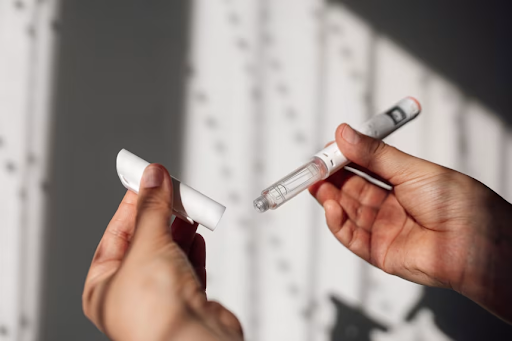
When Carol Saffran started Ozempic to prevent diabetes progression, she expected appetite suppression and weight reduction — but not hair changes. After moving to the highest dose, she began noticing more strands on her brush and a gradual decline in fullness.
A hair-loss specialist later diagnosed telogen effluvium — a stress-triggered type of hair shedding commonly linked to rapid metabolic changes.
>>>”New Diabetes Type Needs Specialized Treatment”<<<
What Is Telogen Effluvium?
Hair grows in four stages:
Anagen (growth) → Catagen (transition) → Telogen (rest) → Exogen (shedding)
Telogen effluvium occurs when large numbers of follicles prematurely shift into the resting phase.
“Any significant weight loss can trigger telogen effluvium,” said Dr. Aron Nusbaum, dermatologist and hair restoration surgeon. Sudden stress — emotional, hormonal, or nutritional — can disrupt the hair cycle.
Metabolic Stress From Rapid Weight Loss
GLP-1 medications significantly suppress appetite, leading many patients to unintentionally undereat.
“Some patients are in a chronic malnourished state while taking GLP-1s,” noted Dr. Anthony Rossi of Memorial Sloan Kettering Cancer Center. Lack of protein, iron, zinc, vitamin D, and B-vitamins — nutrients essential for keratin production — may worsen hair shedding.
Rossi adds:
“Hair is a nonessential appendage. When the body is stressed, it prioritizes vital organs over hair growth.”
Is the Medication Itself Causing Hair Loss?
Experts say weight loss—not the drug—is the primary trigger. Hair loss rates rise with more aggressive weight reduction:
- Wegovy clinical trials:
– 2.5% of users reported hair loss vs. 1% with placebo
– Higher rates in patients losing ≥20% of body weight - Zepbound trials:
– Hair loss reported in 7.1% of women vs. 0.5% of men
While some doctors suspect GLP-1s may accelerate genetic hair thinning in predisposed individuals, evidence remains limited.
>>>Check out NHS Warns of Long-Term Omeprazole Risks<<<
Other Theories Under Study
Some clinicians are exploring whether GLP-1 medications might influence hormones or trigger the early onset of androgenetic alopecia — male- or female-pattern thinning — but these hypotheses remain unproven.
“Right now, telogen effluvium is the most well-described mechanism,” said Dr. Brian Wojeck of Yale School of Medicine.
Nutritional Factors: A hidden driver
GLP-1 users may unintentionally fail to consume enough:
- Protein (1 g per kg of body weight daily recommended)
- Iron and ferritin
- Zinc
- Vitamin D
- B12 and other B vitamins
When deficiencies develop, hair follicles slow growth, shifting into the telogen phase.
Because many patients using GLP-1s for cosmetic weight loss start at high doses or skip medical supervision, malnutrition is becoming more common, experts warn.
>>>Health Minister Praises New HIV Jab Amid Supply Limits<<<
How Long Does GLP-1-Related Hair Shedding Last?
Telogen effluvium typically begins 2–6 months after the trigger event, lasts several months, and often resolves once the stressor is corrected.
However, some patients experience chronic telogen effluvium, where shedding lasts longer than six months.
Treatment Options
Experts recommend:
Evaluate Underlying Causes
A specialist may check:
- ferritin levels
- zinc levels
- vitamin D
- thyroid function
- B12
- protein intake
Adjust Medication or Dose
Some patients benefit from lowering their GLP-1 dose under medical supervision.
Nutrition Support
Adequate calories and high-quality proteins can improve recovery.
Minoxidil
Topical or oral minoxidil can speed up regrowth, especially when medication adjustments are not possible.
Address Pattern Hair Loss
If androgenetic alopecia is also present, long-term interventions may be needed.
Expert Advice for GLP-1 Users Concerned About Hair Loss
Dr. Farah Moustafa advises:
“Track your shedding rate, monitor your weight loss pace, and talk openly with your prescriber. Early evaluation can help prevent prolonged thinning.”
News Desk news.uloscah.com