
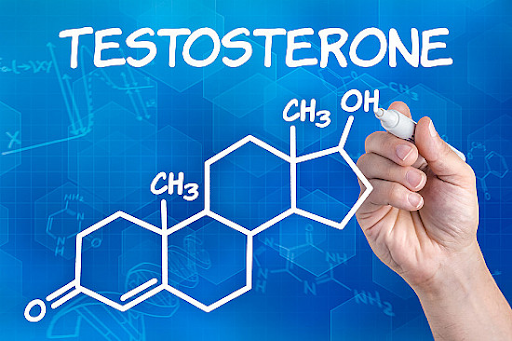
Testosterone levels in men have declined in recent years, and the U.S. Food and Drug Administration (FDA) is now taking a closer look at how hormone therapy should be regulated and accessed in response to emerging health concerns.
>>>See Key Medical Tests Every Man 40+ Should Consider<<<
What the FDA Is Examining
A panel of health experts convened by the FDA recently discussed ways to rethink medical access to testosterone replacement therapy (TRT) as more men experience symptoms associated with low testosterone. FDA Commissioner Martin Makary told NPR that roughly one-third of men with low levels report symptoms such as reduced mood and diminished vitality, though he emphasized that the scientific evidence surrounding these symptoms is still evolving.
The discussions aim in part to address the stigma around testosterone therapy and reconsider how easily men can receive treatment when they are symptomatic, even if their low hormone levels are related to aging or chronic health issues. KOSU
>>>Check out New WHO Global Infertility Guidelines Aim to Improve Access to Care<<<
Testosterone Drop and Symptoms
Low testosterone, medically known as hypogonadism, can be associated with a range of physical and emotional symptoms. These may include fatigue, reduced sex drive, loss of muscle mass, and mood changes. Evidence suggests that testosterone naturally declines with age — typically around 1% per year after age 30 — but some experts believe modern lifestyle factors may be contributing to larger population-wide drops in average testosterone levels. Endocrine Society
Although aging is a known factor, the FDA and clinicians are trying to better understand whether more men could benefit from therapy to improve quality of life.
>>>Check out Adolescence May Extend Into the 30s, New Research Suggests<<<
Expert Panel Recommendations
An expert panel recently recommended loosening restrictions on testosterone therapy, including reclassifying TRT so it is more widely accessible and removing outdated barriers to prescribing. The panel noted that concerns about risks such as prostate cancer and cardiovascular disease — once thought to limit therapy use — may be overstated based on evolving research.
Under current FDA guidance, TRT is typically approved only for men whose low testosterone is caused by specific medical conditions such as testicular or pituitary disorders. But the panel’s recommendations suggest expanding eligibility to include men experiencing age-related testosterone decline, which many clinicians say has been underdiagnosed and undertreated. NBC New York
>>>Check out Breakthrough Drug Combo Extends Life Expectancy in Prostate Cancer<<<
Why Treatment Access Matters
Proponents of broader access argue that TRT can provide real benefits for men truly struggling with low testosterone. These include improved energy, better metabolic health, stronger bone density, and enhanced overall well-being — outcomes that may be particularly meaningful for older men or those with obesity and chronic conditions contributing to hormonal decline. New York Post
However, the FDA and clinicians also stress the need for careful evaluation before starting treatment to avoid unnecessary therapy or unintended side effects.
Balancing Risks and Benefits
The FDA’s cautious stance reflects longstanding concerns over testosterone therapy’s safety profile. Historically, the agency has warned that TRT should not be used for anti-aging, athletic enhancement, or other unapproved purposes because evidence for benefit in those cases is lacking or mixed. U.S. Food and Drug Administration
Expanding medical access will likely involve clearer diagnostic criteria, improved patient screening, and better education for both doctors and patients about when TRT is appropriate.