
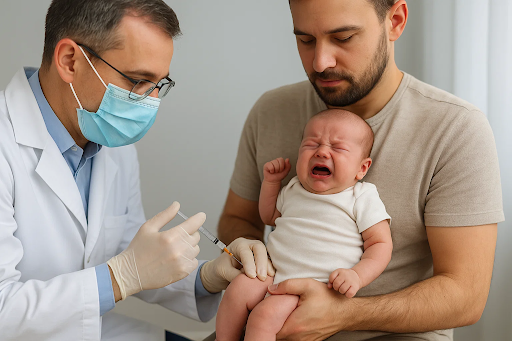
The question of whether newborns should receive the hepatitis B vaccine at birth is set to be debated Thursday by the CDC’s Advisory Committee on Immunization Practices (ACIP). According to NPR, the panel is expected to consider recommending a delay — moving the first dose from birth to age 4.
“There is likely going to be a discussion about the hepatitis B vaccine, very specifically about dislodging the birth dose and pushing it later in life,” said Demetre Daskalakis, former director of the CDC’s National Center for Immunization and Respiratory Diseases.
Former Health Secretary Robert F. Kennedy Jr., who has long raised doubts about vaccine safety, has made this issue a priority. Earlier this year, he removed all 17 ACIP members and appointed new ones ahead of this week’s critical meeting, which will also address COVID-19 vaccine recommendations.
>>>Check out Unlocking Brain Health: The Role of the MIND Diet<<<
What Is Hepatitis B?
Hepatitis B is a viral infection and the world’s leading cause of liver cancer.
- Over 296 million people worldwide live with chronic hepatitis B.
- In the U.S., an estimated 2.4 million people may be infected.
- In 2023, the CDC reported:
- 17,650 new chronic hepatitis B cases
- 1,769 related deaths
- About 2,200 acute cases, though the real number is likely closer to 14,400.
Many infected individuals remain unaware of their status, which is why widespread vaccination has been key in controlling the disease. Rates in the U.S. have dropped significantly since 1991, when universal infant vaccination was introduced.
How Hepatitis B Spreads
The virus spreads primarily through infected blood and bodily fluids, most commonly through:
- Sexual contact
- Sharing needles
- Childbirth (from mother to infant)
Pregnant women in the U.S. are typically screened for hepatitis B in their first trimester. If positive, they may receive antiviral treatment in the third trimester, and their newborn is given both the hepatitis B vaccine and hepatitis B immune globulin (HBIG) within 12 hours of birth.
There is no cure for hepatitis B:
- 95% of adults clear the virus on their own within six months.
- Those who don’t may develop chronic infection, increasing the risk of liver scarring, failure, or cancer.
- Infants face a far higher risk: about 90% of babies infected at birth develop chronic hepatitis B.
Current Vaccination Recommendations
The ACIP first recommended universal hepatitis B vaccination in 1991. Today, the CDC advises:
- Dose 1: Within 24 hours of birth
- Dose 2: At 1–2 months of age
- Dose 3: Between 6–18 months
The vaccine is about 98% effective in protecting healthy infants.
Side effects are usually mild and temporary, such as soreness at the injection site, redness, fatigue, or headache.
The American Academy of Pediatrics (AAP) recently warned that eliminating the birth dose could jeopardize decades of progress, noting the U.S. is currently on track to eliminate perinatal hepatitis B.
Bottom line
The hepatitis B vaccine at birth has been a cornerstone of preventing chronic infections and liver disease. The upcoming ACIP decision will determine whether the U.S. continues this long-standing practice or shifts toward delaying the first dose until later in childhood.