
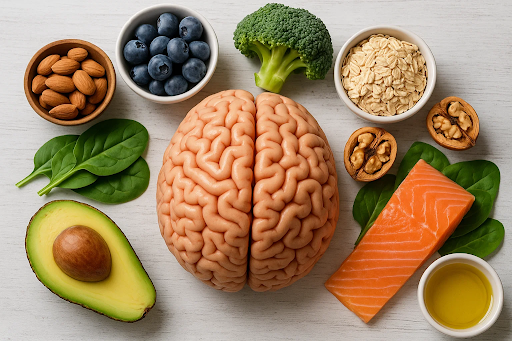
The MIND diet blends two of the world’s healthiest eating patterns — the Mediterranean diet and the DASH diet — into one powerful approach. By focusing on foods shown to support memory and cognition, researchers designed the MIND diet to help lower the risk of Alzheimer’s disease and other forms of cognitive decline.
MIND stands for Mediterranean-DASH Intervention for Neurodegenerative Delay. It emphasizes plants, fish, and whole foods while limiting dairy and processed choices.
“This style of eating is practical, flexible, and may support brain health,” explains Ulysses Wu, MD, of Hartford HealthCare. “Observational studies suggest the MIND diet could reduce Alzheimer’s risk, though short-term trials haven’t yet proven changes in cognition.”
Still, the benefits go beyond brain health — and you don’t need to follow it perfectly to see results.
“The beauty of the MIND diet is its flexibility,” Dr. Wu adds. “Even small changes can make a difference.”
>>>Check out Rare ‘tooth-in-eye’ surgery helps man regain sight after 20 years<<<
Key Foods in the MIND Diet
Unlike restrictive diets, the MIND approach encourages everyday foods that are already linked to better brain health, including:
- Leafy greens such as spinach, kale, or arugula
- Colorful vegetables of all kinds
- Berries (especially blueberries and strawberries)
- Nuts and seeds
- Whole grains like oats, quinoa, and brown rice
- Beans and legumes
- Fish (especially fatty fish like salmon)
- Poultry
- Olive oil as the main cooking fat
“These foods reduce inflammation and support brain cell function,” says Dr. Wu.
Foods to Limit
The diet also recommends cutting back on foods that may work against brain health:
- Red meat
- Butter and margarine
- Cheese
- Pastries and sweets
- Fried or fast foods
But it’s not all-or-nothing. “You don’t have to give these up forever,” Dr. Wu notes. “It’s simply about moderation.
>>>Check out Nursing Licensure By State<<<
A Day on the MIND Diet
Here’s what a typical day could look like:
- Breakfast: Oatmeal topped with blueberries and walnuts
- Lunch: Leafy green salad with chickpeas, cherry tomatoes, and olive oil dressing
- Snack: A handful of almonds or fresh strawberries
- Dinner: Grilled salmon with quinoa and roasted broccoli
- Treat: A small square of dark chocolate
“What’s great about the MIND diet,” says Dr. Wu, “is that it’s healthy, flexible, and delicious. Even if brain health weren’t part of the equation, it would still be a better way to eat.”
Bottom line: The MIND diet isn’t about restriction — it’s about nourishing your body and brain with foods that taste good and support long-term health.