
News Desk news.uloscah.com
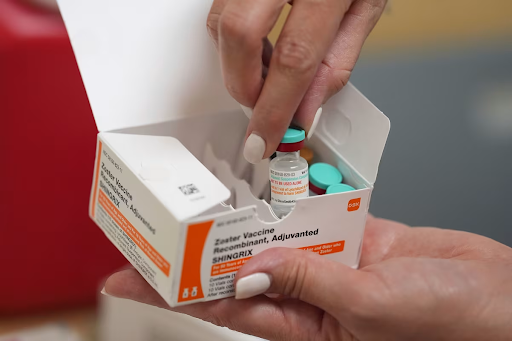
The shingles vaccine is best known for protecting older adults from a painful viral infection. But new research suggests the two-dose shot may offer an unexpected additional benefit: slowing the progression of dementia.
A new study published in Cell found that adults who received the shingles vaccine not only had a lower risk of developing dementia, but those already diagnosed with the condition experienced slower decline and a reduced risk of dying from the disease.
>>>Check out Study Links Regular Cycling to Reduced Dementia Risk<<<
Shingles Vaccine Shows Potential Therapeutic Effects
Shingles, caused by the varicella-zoster virus, affects about 1 in 3 people in the U.S., with risk increasing sharply with age. The CDC recommends two doses of the vaccine for adults 50 and older, noting it is over 90% effective at preventing the infection.
Dr. Pascal Geldsetzer, senior author and assistant professor at Stanford University, said the new findings suggest the vaccine may do more than prevent disease.
“We see an effect on the probability of dying from dementia among those who already have dementia,” Geldsetzer said. “This was unexpected and really exciting.”
Earlier Study Found Lower Dementia Risk
This research follows a previous study in Wales, where vaccine eligibility rules created a natural comparison: adults who were 79 were eligible for vaccination, while those 80 and older were not.
Using data from hundreds of thousands of older adults, researchers found:
- Shingles vaccination reduced the likelihood of a dementia diagnosis by 3.5 percentage points over seven years.
Because the two groups were nearly identical except for a slight age difference, the researchers believe this suggests a real cause-and-effect relationship.
New Study Examines Cognitive Decline and Mortality
In the follow-up study, researchers again analyzed the Wales data—this time focusing on mild cognitive impairment (MCI) and dementia-related death.
They found:
- A 3.1-percentage-point reduction in new MCI diagnoses over nine years among vaccinated older adults.
- A 29.5-percentage-point reduction in dementia-related deaths in vaccinated individuals already living with dementia.
The protective effects appeared stronger in women.
To validate their findings, the team replicated the analysis using health records from Australia and observed similar patterns.
>>>Check out World Alzheimer’s Day: Progress and Promise in the Quest for a Cure<<<
Why Might the Vaccine Protect the Brain?
Researchers do not yet know the exact mechanism, but they have two leading theories:
Reduced Viral Reactivation and Inflammation
After a childhood chickenpox infection, the varicella-zoster virus lies dormant in the nervous system. Even without shingles symptoms, its presence can trigger chronic low-grade inflammation—something strongly linked to dementia.
Preventing viral reactivation through vaccination may reduce this inflammation.
Immune System Strengthening
Vaccines can stimulate broad improvements in immune function beyond their specific target. A stronger immune system may help protect the brain from infections that contribute to cognitive decline.
>>>Cognitive Workouts That Slow Brain Aging: Science-Backed Techniques<<<
Experts Say Findings Are Promising but Not Final
While the results are compelling, scientists caution that more research is needed.
Dr. Joel Salinas, neurologist at NYU Langone, noted that the findings may not fully apply to the newer shingles vaccines currently in widespread use.
Dr. Angelina Sutin of Florida State University said the research offers the strongest evidence yet of a protective effect, but the reason behind it remains unclear.
“Now, I will add: talk to your doctor about getting the shingles vaccine,” she said. “It may help maintain healthy cognition for longer.”
Researchers are now seeking funding to conduct a randomized clinical trial—the gold standard for determining cause and effect.