
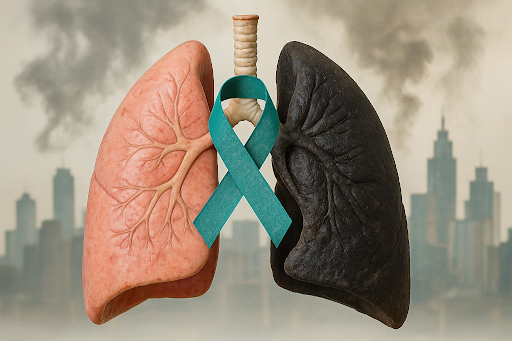
November marks Lung Cancer Awareness Month, a time to pause, breathe, and talk about one of the world’s most serious yet misunderstood cancers. It’s not just a “smoker’s disease” — non-smokers are increasingly being diagnosed too, driven by air pollution, secondhand smoke, and genetic factors.
The worrying part? Early symptoms often feel harmless — a lingering cough, breathlessness, or fatigue that most people brush off. Yet, early detection dramatically improves survival chances.
This month is about spreading awareness, encouraging low-dose CT scans for early screening, and reinforcing the life-saving benefits of quitting smoking. With time, good nutrition, and clean air, lung health can recover significantly.
“A cough that lingers for weeks, chest discomfort, or mild hoarseness can be early signs,” says Dr. Anadi Pachaury, Associate Director & Unit Head of Surgical Oncology at Max Super Speciality Hospital, Shalimar Bagh. “Even small traces of blood in sputum should never be ignored.”
Dr. Arun Kumar Goel, Chairman of Surgical Oncology at Andromeda Cancer Hospital, adds: “Symptoms such as persistent cough, shortness of breath, chest pain, or unexplained fatigue should always be taken seriously—especially by smokers or those living in polluted areas.”
Why Non-Smokers Should Still Worry
Cigarette smoke remains the top cause of lung cancer, but non-smokers face risks too. Long-term exposure to air pollution, passive smoke, and genetic predisposition can all trigger the disease.
>>>”Smoking, Vaping, and Nicotine Pouches May Raise Type 2 Diabetes Risk”<<<
Reducing Risk and Strengthening Lung Health
The best prevention is simple yet powerful — quit smoking completely. Experts recommend avoiding secondhand smoke, using air purifiers, maintaining ventilation, and wearing masks during high-pollution days.
Nutrient-rich foods like leafy greens, berries, and nuts, combined with regular exercise, support lung function and help the body repair cellular damage.
“Physical activity keeps the lungs strong and supports better oxygen flow,” notes Dr. Pachaury.
“A balanced diet rich in antioxidants and 30–45 minutes of daily exercise can improve lung capacity,” adds Dr. Goel.
>>>Check out What Are AFRID Safe Foods—and How Can You Add More to Your Menu?<<<
For Ex-Smokers
Even after quitting, vigilance matters. Both experts recommend annual lung check-ups and low-dose CT scans for those aged 50–80 with a history of smoking. With every smoke-free year, lung function improves and cancer risk declines.
>>>“Is Your Toothbrush Hiding Bacteria? Here’s When to Replace It”<<<
Dispelling Common Myths
Many believe only smokers develop lung cancer, or that quitting won’t help once damage is done — both are false. Anyone can develop the disease, but early detection and quitting smoking can drastically improve outcomes.
“The benefits of quitting begin within weeks,” emphasizes Dr. Goel. “Your risk keeps dropping every year.”