
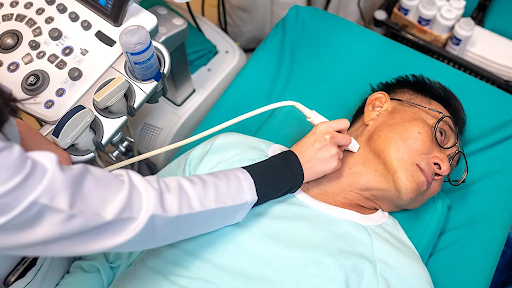
Thyroid cancer is increasing faster than many other cancers across multiple regions of the world — including the United States — and researchers are scrambling to understand why. Despite major medical advances, the number of new cases has grown dramatically over the past few decades, raising questions about environmental factors, diagnostic practices, and global health trends.
>>>Check out Colorectal Cancer in Young Adults: Surgeon Lists 5 Foods and Drinks to Avoid<<<
A Growing Global Pattern
The thyroid — a small, butterfly-shaped gland at the base of the neck — produces hormones that regulate metabolism, heart rate, blood pressure, and body temperature. Thyroid cancer develops when cells in this gland grow uncontrollably, forming tumors that can sometimes spread beyond the neck.
While thyroid cancer often has a strong survival rate, experts are troubled by how quickly it has become more common. Surveillance data from the U.S. shows that thyroid cancer diagnoses more than tripled between 1980 and 2016. Similar upward trends are being reported in parts of Asia, Europe, and South America.
“Thyroid cancer remains one of the few cancers consistently rising over time,” says Dr. Sanziana Roman, endocrine surgeon at UCSF.
Better Detection — But Not the Whole Story
The first major clue came from advances in diagnostic technology. Beginning in the 1980s, widespread use of thyroid ultrasound allowed doctors to find tiny tumors previously undetectable by touch. In the 1990s, the adoption of fine-needle aspiration biopsies further accelerated detection.
As doctors found smaller and smaller tumors, overall case counts surged — even though many of these cancers would likely never have caused symptoms.
This became clear in South Korea, where a national screening program caused thyroid cancer cases to skyrocket, then drop again once the program was scaled back. Yet mortality remained stable, reinforcing that much of the rise stemmed from overdiagnosis.
>>>Check out 40 Years of Breast Cancer Awareness: Saving 500,000+ Lives<<<
But Something Else Is Driving New Cases
Even after accounting for improved detection, researchers say the numbers don’t add up. Diagnoses are rising in countries with limited screening, and larger, more aggressive tumors are appearing more often.
Recent studies show:
- Metastatic thyroid cancers are increasing.
- Thyroid cancer mortality, historically very low, has begun to inch upward in some regions.
- Tumor growth patterns suggest a shift that cannot be explained solely by detection bias.
These patterns indicate a real increase in disease, not just better screening.
>>>See also Short Bursts of Daily Exercise May Boost Heart and Lung Health<<<
Possible Contributors Behind the Rise
Obesity and Metabolic Health
One of the strongest suspects is the global rise in obesity. High BMI is linked with:
- Increased thyroid cancer risk (over 50% higher)
- More aggressive tumor features
- Higher thyroid cancer–related mortality
Obesity can influence hormone levels, inflammation, and insulin resistance — all possible contributors to cancer development.
>>>See also Breakthrough Drug Combo Extends Life Expectancy in Prostate Cancer<<<
Medical Radiation Exposure
Ionizing radiation is a well-established risk factor for thyroid cancer, especially in children. While nuclear accidents such as Chernobyl showed this clearly, another modern source concerns experts: CT scans.
CT use has risen sharply since the 1980s, including in pediatric care. Some estimates suggest thousands of future thyroid cancer cases in the U.S. alone may be attributable to radiation from medical imaging.
Hormone-Disrupting Chemicals
Environmental chemicals known as endocrine disruptors — such as PFAS, found in cookware, packaging, carpeting, and firefighting foam — are being scrutinized for potential thyroid effects. Evidence is mixed, but many experts believe they may play a role.
Trace Elements and Environmental Exposures
Certain island nations and volcanic regions report unusually high thyroid cancer rates. Researchers suspect trace elements such as cadmium, zinc, and vanadium may affect thyroid gland biology, though definitive proof is lacking.
A Multifactorial Puzzle
Most experts believe no single factor explains the worldwide rise.
“We’re likely observing a combination of environmental, metabolic, dietary, and hormonal influences, interacting with genetic susceptibility,” Dr. Roman explains.
What Happens Next?
Although thyroid cancer remains highly treatable, preventing unnecessary diagnoses while identifying harmful exposures is now a key global health focus. Updated guidelines encourage more conservative treatment for small tumors, but researchers continue working to understand the upstream causes of this accelerating trend.
As global thyroid cancer rates continue to rise, the challenge for scientists is clear: unravel a complex puzzle of environmental, diagnostic, and biological factors contributing to one of the fastest-growing cancers of our time.
NewsDesk news.uloscah.com