
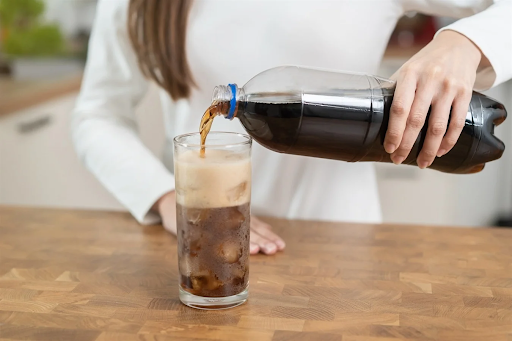
Soft drinks have long been associated with obesity, diabetes, heart disease, and other chronic conditions. But new research reveals a concerning link between soft drink consumption and depression, particularly among women. A study published in JAMA Psychiatry shows that sugary beverages may disrupt gut bacteria, setting off a chain reaction that affects brain function and mood.
>>>Check out Switching Soda for Water Could Help Cut Your Liver Disease Risk<<<
The Hidden Effects of Soft Drinks on Gut Health
Soft drinks are among the most consumed beverages worldwide — especially by children and teenagers. Packed with glucose and fructose, they cause blood sugar spikes and leave behind unabsorbed sugars in the intestine.
These unabsorbed sugars feed harmful bacteria that damage the gut lining and promote inflammation. Over time, this can weaken the body’s immune system and increase the risk of neuroinflammation, which has been linked to anxiety and depression.
Expert Insight:
“Your gut and brain are deeply connected. When sugar-loving bacteria thrive, mood-regulating systems suffer,” says Dr. Lena Fischer, a clinical microbiologist at the University of Bonn.
Gut Bacteria and the Depression Connection
The study highlights two bacteria — Eggerthella and Hungatella — as potential culprits. Both flourish in high-sugar environments.
Researchers found that people with major depressive disorder (MDD) had higher levels of Eggerthella, particularly among women.
Eggerthella’s byproducts, including acetate, can interfere with serotonin production — the brain’s “feel-good” neurotransmitter — and lower the levels of butyrate, a compound that protects gut health.
Animal studies show that introducing gut bacteria from depressed humans can induce depression-like behavior in mice, suggesting a powerful gut-brain link.
>>>Check out New Diabetes Type Needs Specialized Treatment<<<
Inside the Study
Conducted in Germany, the study analyzed 405 patients with major depression and 527 healthy individuals. Researchers found:
- Each additional soft drink consumed daily raised depression risk by 8%.
- Women who drank more soft drinks had 16% higher odds of developing depression.
- The correlation remained even after accounting for BMI and antidepressant use.
Notably, the gut microbiome in women who consumed more soda was less diverse, allowing harmful species like Eggerthella to dominate.
Why Women Are More Affected
While the study doesn’t pinpoint why women are more susceptible, hormonal differences, dietary habits, and microbiome composition may play a role. The researchers caution that the relationship could be bidirectional — meaning depression might also increase soft drink intake as people seek comfort through sugar.
>>>Check out Salmon and Cholesterol: What Science Says About Its Heart-Healthy Benefits<<<
What This Means for Consumers
Even moderate intake — one or two soft drinks per day — is associated with poorer health outcomes. Experts recommend replacing sugary beverages with water, unsweetened tea, or probiotic-rich drinks that support healthy gut bacteria.
Dr. Fischer adds:
“Reducing soft drink consumption is one of the simplest ways to protect your gut and your mood. It’s small changes that bring the biggest difference.”
The Policy Perspective
Public health experts suggest educational campaigns and sugar taxes to reduce soda consumption. In the UK, for instance, taxation has lowered soft drink sales but increased purchases of artificially sweetened alternatives — which may also warrant further study.
>>>See Also Unlocking Brain Health: The Role of the MIND Diet<<<
Conclusion
Soft drinks don’t just affect your waistline — they could be silently shaping your mental health. By disrupting the gut microbiome, these sugary beverages may increase the risk of depression, especially among women.
As researchers continue to explore the gut-brain connection, one message is clear:
It’s time to rethink what’s in your glass.
MORE HEALTH NEWS VISIT news.uloscah.com