
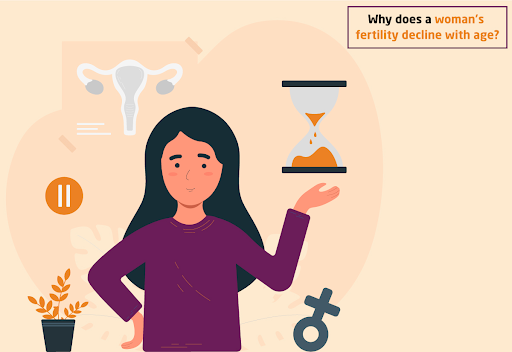
Researchers have identified fresh insights into the biological processes that cause women’s ability to conceive to diminish as they grow older, potentially opening pathways for future fertility interventions.
The investigation sheds light on cellular and molecular changes occurring within reproductive systems that contribute to reduced fertility rates in older women. Understanding these mechanisms represents a significant step toward addressing one of reproductive medicine’s most persistent challenges.
>>>Check out U.S. Mental Health Ratings Worsen as Stress and Anxiety Rise<<<
What Researchers Discovered
The study pinpointed specific biological factors that deteriorate with advancing age, affecting egg quality and the body’s capacity to support successful conception and pregnancy. These findings help explain why fertility rates drop markedly after women reach their mid-thirties, with more pronounced declines occurring beyond age 40.
Scientists focused on examining how cellular aging processes impact reproductive cells differently than other body tissues, revealing unique vulnerabilities within the female reproductive system.
>>>Check out Testosterone Levels Are Dropping<<<
Why This Matters
Age-related fertility decline affects millions of women worldwide, particularly as more people delay childbearing for educational, career, or personal reasons. Current assisted reproductive technologies can help but don’t fully overcome age-related challenges.
These discoveries could inform development of novel treatments aimed at preserving egg quality or extending the window of reproductive viability. While practical applications remain years away, the research provides crucial foundational knowledge.
>>>Women With Uterine Fibroids Face 81% Higher Heart Disease Risk<<<
The Broader Picture
This work joins growing scientific efforts to understand reproductive aging at the molecular level. Each discovery brings researchers closer to interventions that might help women maintain fertility longer or improve outcomes for those pursuing pregnancy later in life.
For now, the findings emphasize the importance of fertility awareness and early family planning discussions, while offering hope that future medical advances may provide more options for those facing age-related fertility challenges.
News Desk news.uloscah.com