
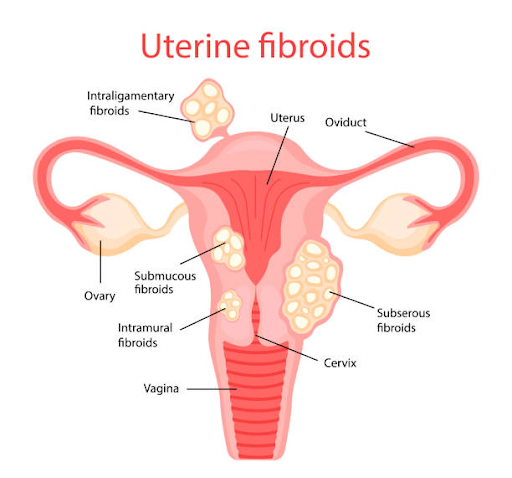
Heart disease remains the leading cause of death for women in the U.S., and new research now suggests that uterine fibroids — a condition many women don’t even know they have — may raise that risk far more than previously understood.
A large 10-year U.S. study has found that women diagnosed with uterine fibroids (leiomyomas) have an 81% higher long-term risk of developing heart disease compared with women without fibroids. The study also revealed higher risks of stroke, coronary artery disease, and peripheral artery disease up to a decade after diagnosis.
The findings, published in the Journal of the American Heart Association, come from researchers at the University of Pennsylvania’s Perelman School of Medicine and include data from more than 2.7 million women.
Lead author Julia DiTosto said the results strengthen the growing recognition that reproductive health and cardiovascular health are deeply connected. But she noted the biological pathways behind this link are still poorly understood and need further study.
>>>Check out New Partnerships Expand Access to Affordable HIV Prevention in High-Burden Countries<<<
A Common but Underfunded Women’s Health Issue
Uterine fibroids — benign tumors that develop on or inside the uterus — are extremely common. More than 26 million U.S. women of reproductive age are affected, and up to 20–80% will develop them by age 50.
Despite their prevalence, fibroid research remains underfunded. In 2024, the National Institutes of Health allocated only $17 million to fibroid studies, far less than funding for menopause, endometriosis, or breast cancer.
Previous research on fibroids and heart disease has been limited and inconclusive, making this large-scale study especially noteworthy.
>>>Check out Noncommunicable diseases<<<
What the Study Found
Researchers reviewed a large health database with records from 2000 to 2022. Among the patients:
- 450,000 had fibroids
- 2.2 million did not
- Average age: 41 years
Across multiple time checkpoints — 1, 3, 5, and 10 years — women with fibroids consistently showed higher risks of heart disease and related conditions.
One of the most surprising findings:
Women under 40 had a 251% higher risk of heart disease a decade after diagnosis, despite heart disease typically being associated with older age.
The link remained strong across all races and ethnicities, though patterns varied:
- Lowest risk increase: Black women with fibroids
- Highest early risk (1–5 years): Asian women
- Highest 10-year risk: Hispanic women
>>>Check out Health Minister Praises New HIV Jab Amid Supply Limits<<<
Why Fibroids Might Increase Heart Disease Risk
Doctors suspect hormones may play a major role. Fibroids thrive on estrogen and progesterone, hormones that also influence vascular health.
Fibroids can also lead to:
- Heavy menstrual bleeding
- Iron-deficiency anemia
- Pelvic or abdominal pressure
- Chronic inflammation
These symptoms place added strain on the cardiovascular system.
Obesity — a known risk factor for both fibroids and heart disease — may further influence the relationship.
Dr. John Petrozza of Massachusetts General Hospital noted that these biological stresses may trigger changes linked to atherosclerosis, which increases the risk of heart attacks and strokes.
>>>See also Global TB Deaths Reach 1.23 Million in 2024, WHO Warns<<<
Study Limitations
The study was observational and relied on insurance-based records, which lacked details such as:
- Size and number of fibroids
- Exact location of fibroids
- Type of treatment or whether fibroids were removed
It also included only privately insured patients, who may have greater access to care.
Who Is Most at Risk for Fibroids?
Risk factors include:
- Older reproductive age
- Family history
- High blood pressure
- Obesity
- Early menstruation
- Vitamin D deficiency
- High red-meat diet
- Lack of pregnancy
- Excess alcohol consumption
>>>See also HPV Vaccine Found Safe and Cuts Cervical Cancer Risk by 80%<<<
When to Seek Medical Advice
Many women with fibroids have no symptoms, but experts say not to ignore:
- Heavier or prolonged menstrual bleeding
- Pelvic pain or pressure
- Increased urinary frequency
- Infertility
- Noticeable abdominal enlargement
Any of these signs warrant a visit to a gynecologist or primary care provider.