

News Desk news.uloscah.com
For decades, the pursuit of mental sharpness has led millions to rely on digital tools—Sudoku, daily word puzzles, and commercial “brain-training” apps. Yet, a landmark global research review strongly affirms that the most effective, pervasive, and natural method for enhancing focus, sharpening memory, and protecting overall cognitive health is simpler and older: regular physical activity.
The Scope of the Evidence
This comprehensive analysis stands as one of the largest studies ever conducted on the relationship between physical activity and neurofunction. Researchers meticulously compiled and evaluated data from over 2,700 studies, encompassing more than 250,000 participants worldwide.
The key finding is conclusive: movement, whether it’s brisk walking, cycling, yoga, dancing, or even active video games, consistently produces significant improvements in how the brain operates across all stages of life. The benefits were found to be universal, applying regardless of the participant’s age, baseline fitness level, or the specific mode of exercise undertaken.
Core Areas of Improvement
The review focused specifically on measurable gains in three crucial cognitive categories:
- Cognition: The overarching capacity for thinking, learning, and complex decision-making.
- Memory: Specifically, improvements in short-term recall and the ability to retrieve personal experiences.
- Executive Function: The higher-level skills responsible for planning, sustained attention, problem-solving, and emotional regulation.
In the original studies analyzed, participants typically engaged in newly structured exercise protocols, such as fixed walking routines or weekly fitness classes, underscoring that the benefits stem from intentional activity.
Quantifiable Gains in Neural Performance
Exercise consistently resulted in small-to-moderate but highly meaningful performance improvements across all three functional areas. Cognitive performance demonstrated the most pronounced gains, closely followed by memory and executive function.
Noteworthy Findings from the Data:
- Speed of Benefit: Improvements in brain function were frequently observed within just 12 weeks of consistently engaging in a new exercise routine.
- The Dose: The most robust and reliable results were achieved by individuals meeting the widely recommended standard: exercising at least 30 minutes on most days, accumulating a total of approximately 150 minutes of activity per week.
- Targeted Amplification: Young people (children and teenagers) experienced particularly strong boosts in memory, while people diagnosed with ADHD saw greater-than-average gains in executive function.
>>>See also Short Bursts of Daily Exercise May Boost Heart and Lung Health<<<
The Physical Transformation Inside the Skull
Exercise is not merely a mental distraction; it physically alters the brain’s structure and function. Aerobic activities directly promote the growth of the hippocampus
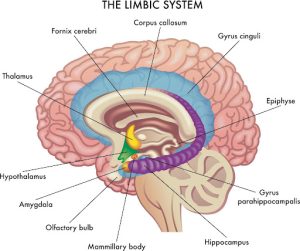
, a critical brain region indispensable for the formation of new memories and learning.
In one highly cited long-term trial, older adults who committed to an aerobic exercise regimen for one year successfully increased the volume of their hippocampus by 2%. This gain is substantial, effectively reversing the typical brain shrinkage that occurs over one to two years of natural aging.
Furthermore, more intense forms of movement, such as sprinting or High-Intensity Interval Training (HIIT), are proven to enhance neuroplasticity—the brain’s inherent ability to reorganize neural pathways, form new connections, and process information more rapidly and efficiently.
>>>See also Cognitive Workouts That Slow Brain Aging: Science-Backed Techniques<<<
Accessibility: Low-Effort Movement Works
A crucial takeaway for public health messaging is that intensity is not the sole requirement. The research confirms that lower-intensity activities are highly effective, often proving ideal for individuals with limited mobility or those seeking accessible at-home routines.
- Mind-Body Connection: Activities like Tai Chi and Yoga require the simultaneous engagement of coordination, balance, focus, and memory, thus strengthening the brain’s internal systems.
- The “Exergame” Effect: Active video games (exergames) demand immediate reactions and real-time decision-making, providing a compelling, functional workout for attention and recall centers.
>>>Check out The Truth Behind High-Protein Diets: Benefits and Hidden Risks<<<
Putting the Science Into Practice
The message for the public is clear: utilize movement as a natural, daily “brain tune-up.” Practical application requires simple swaps, not major overhauls:
- Take a brisk walk instead of driving for nearby errands.
- Incorporate short yoga or stretching breaks throughout the workday.
- Engage in social activities that require coordination, like joining a dance class or playing active games.
With global concerns over cognitive decline rising alongside widespread physical inactivity, exercise represents a powerful, free, and accessible public health solution. It is a fact supported by decades of robust research: moving the body isn’t just about muscular strength—it’s the foundation for keeping the mind sharp for years to come.
>>>Check out Cosmetic Face Fillers Under Scrutiny After Scans Expose New Dangers<<<